
Lower Elementary
Building Connections Across Ideas and Experiences
A Time of Wonder and Discovery
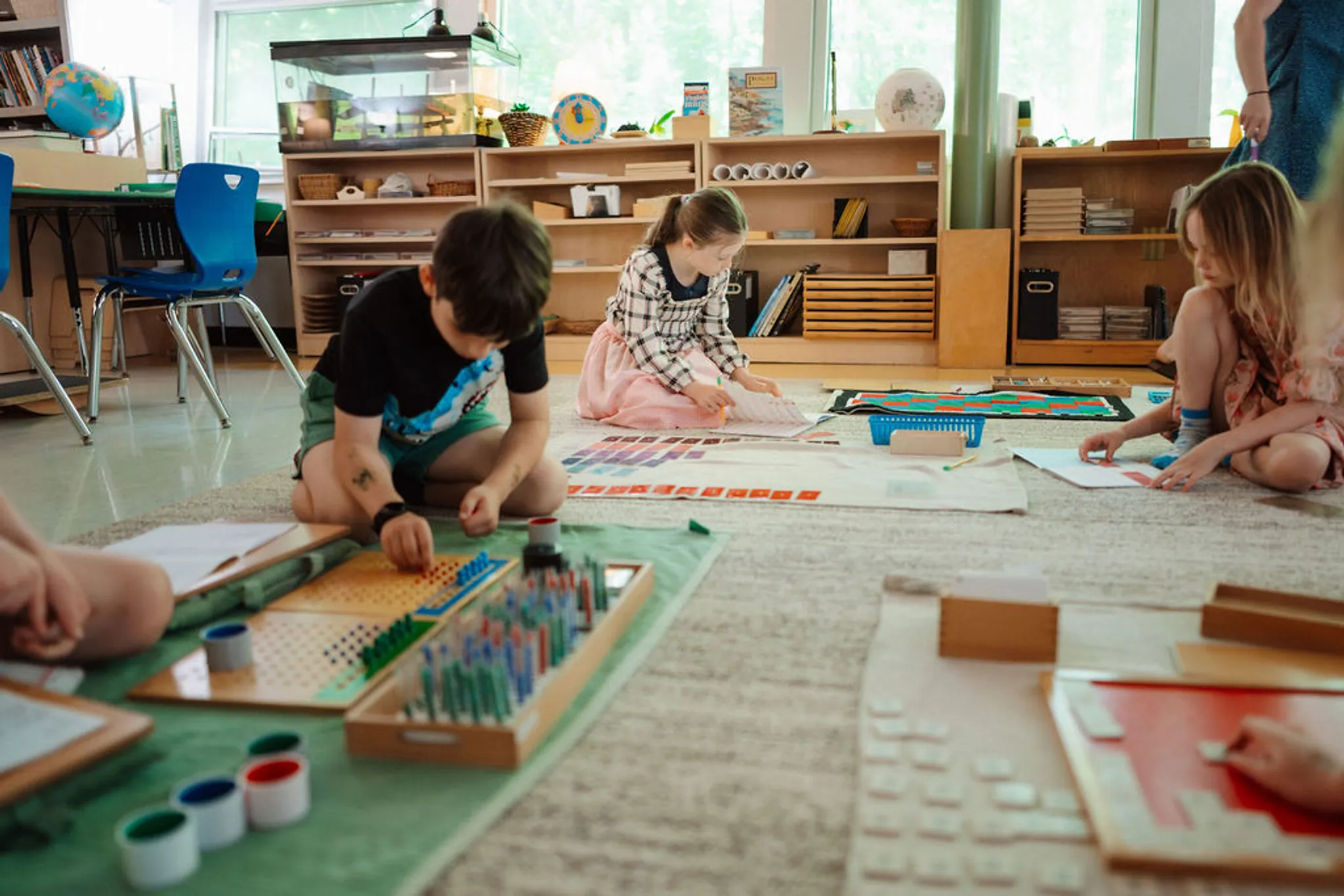
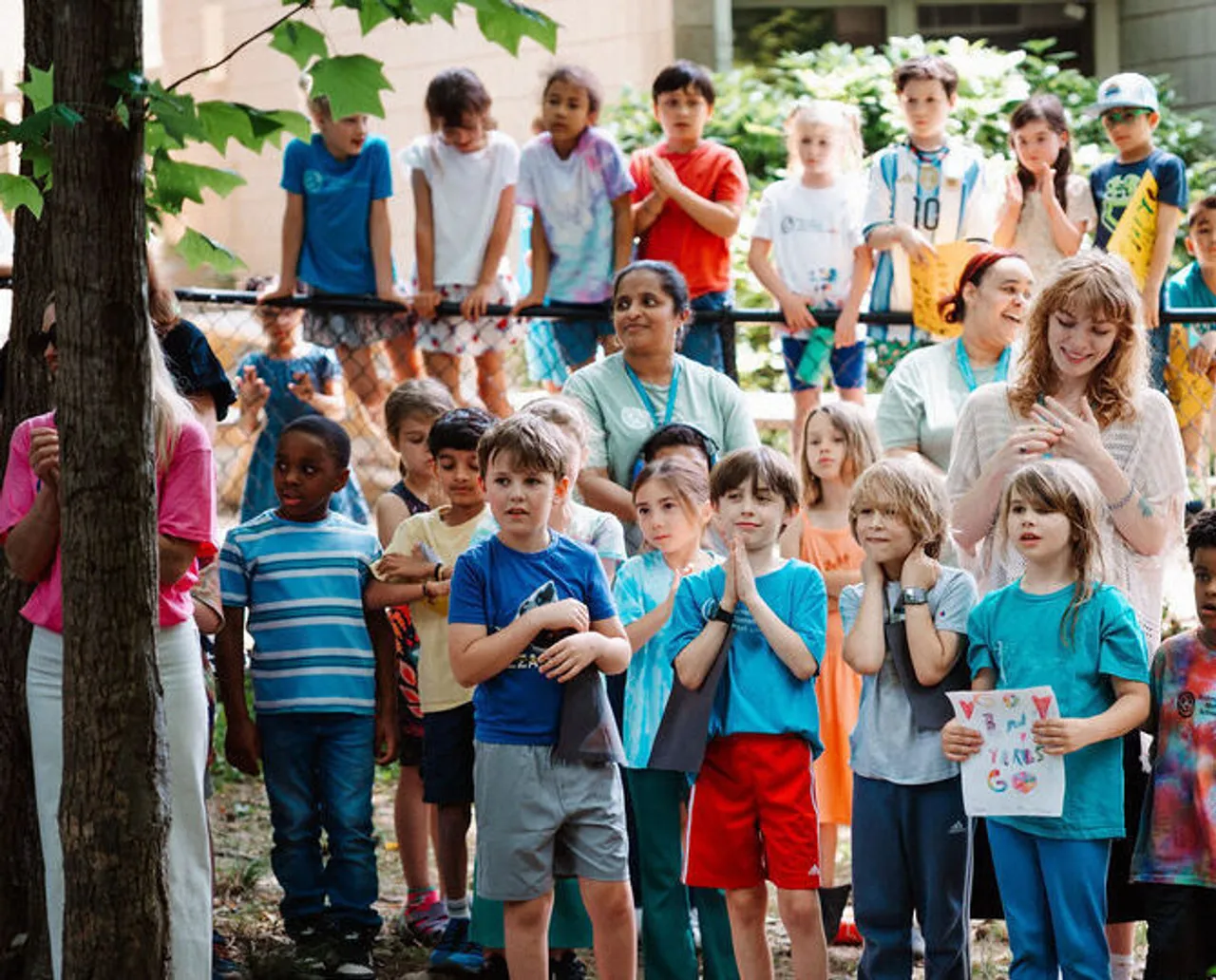
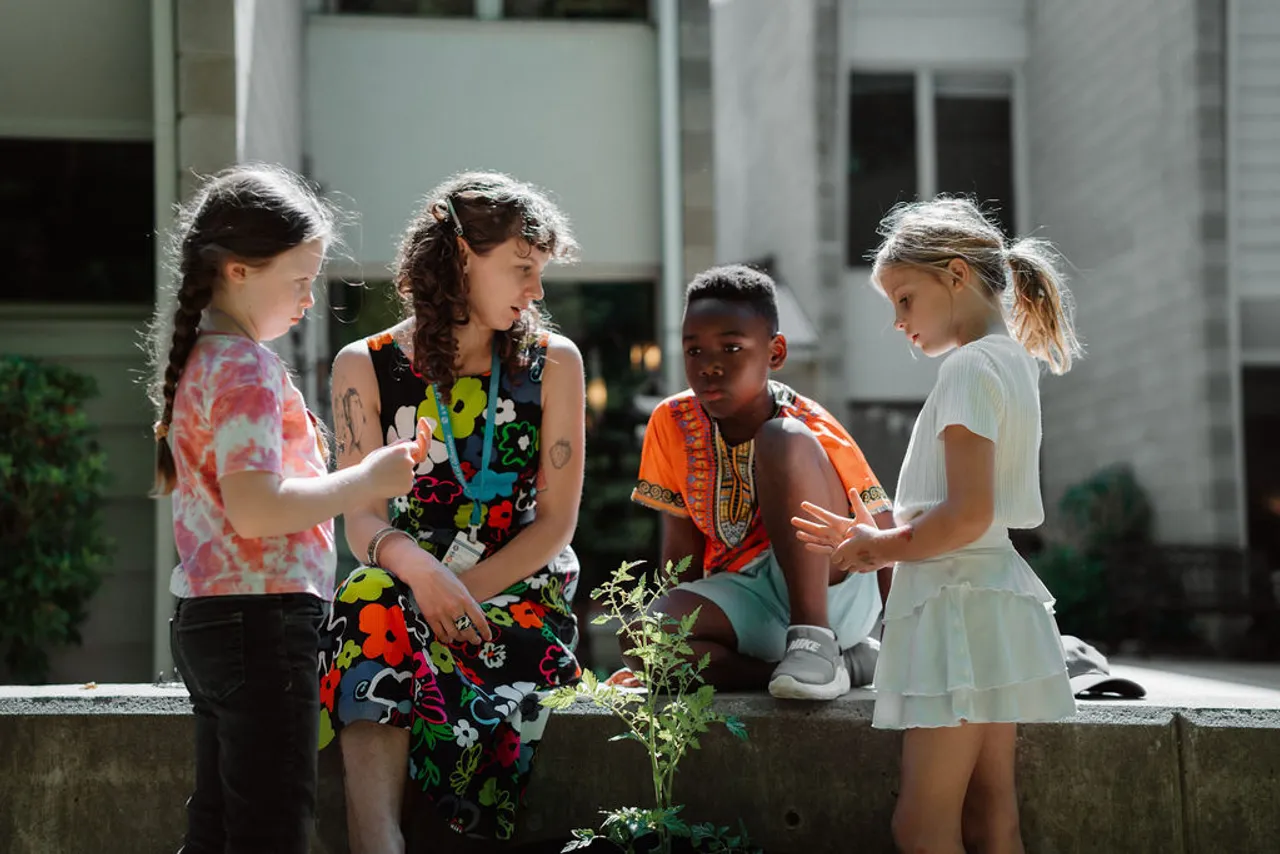
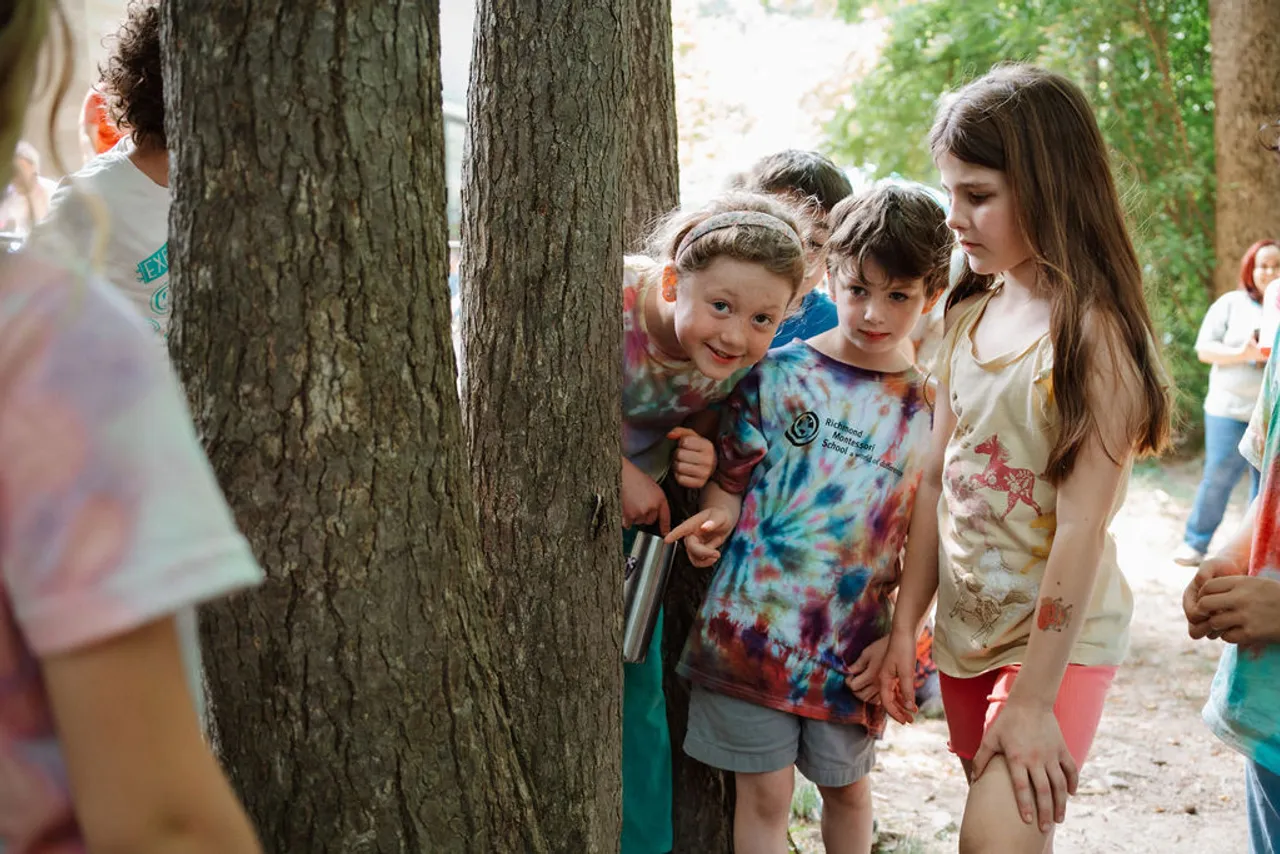
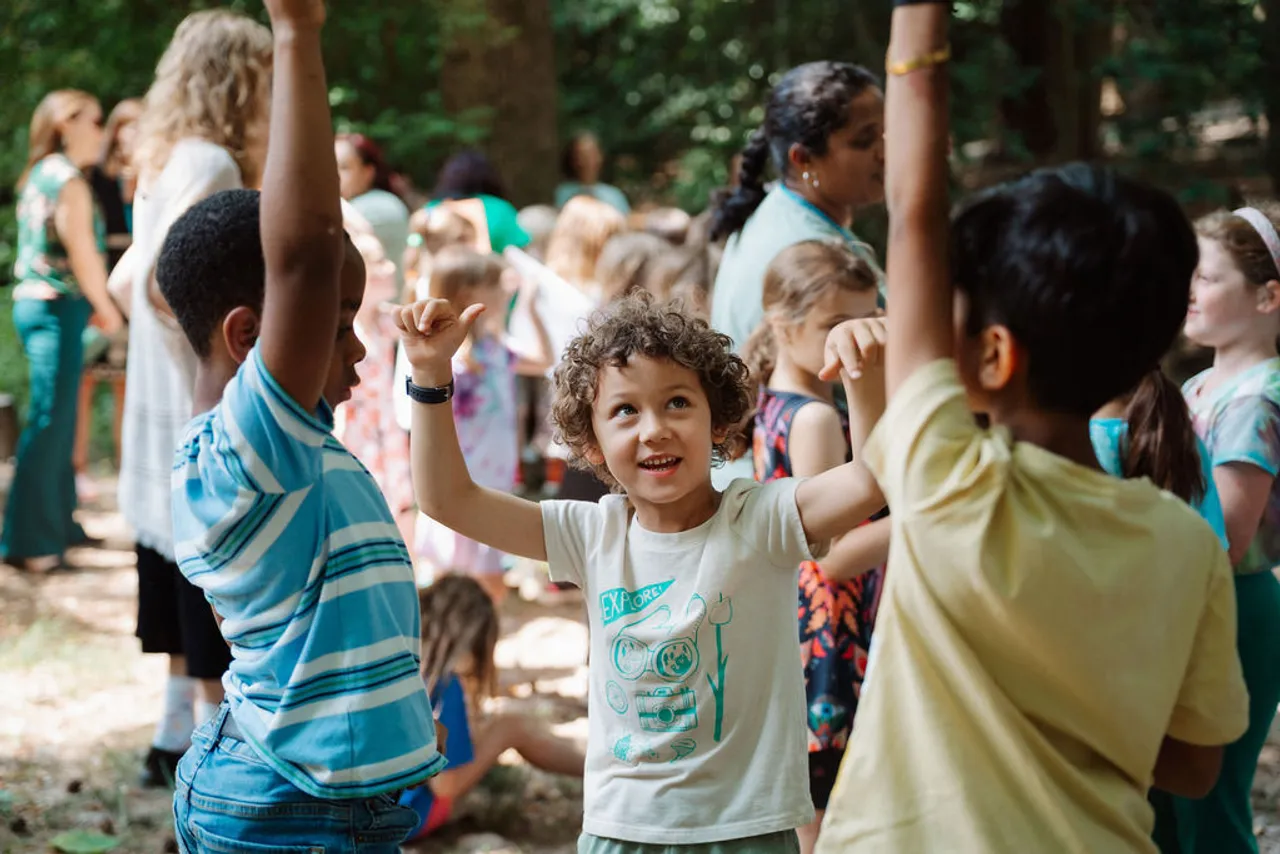
Our Lower Elementary program is thoughtfully designed for children ages 6 to 9, a stage of development marked by growing curiosity, expanding independence, and an eagerness to understand the world. During these years, children's brains and bodies undergo significant physical, cognitive, social, and emotional changes. They begin thinking more abstractly, asking deeper questions, developing lasting friendships, and seeking opportunities to contribute meaningfully to their community.
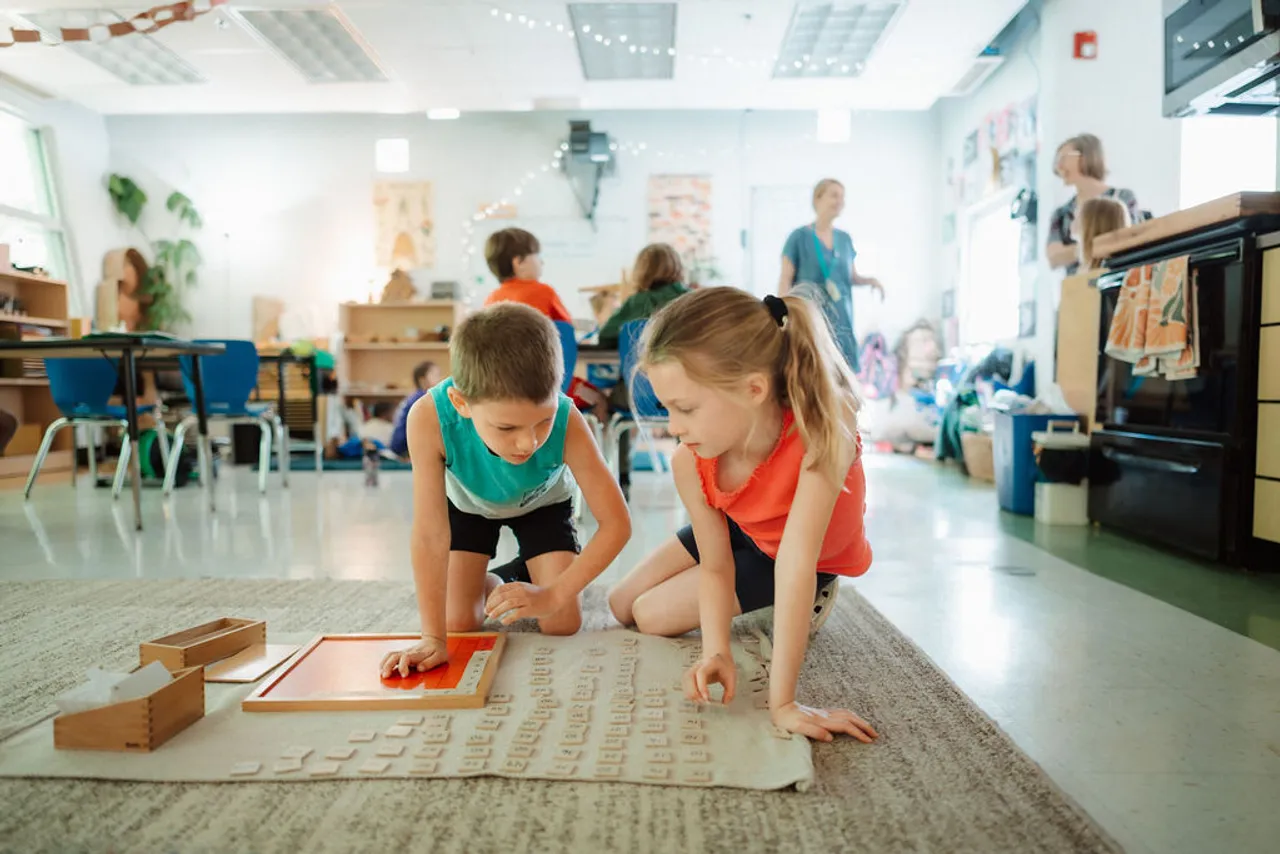
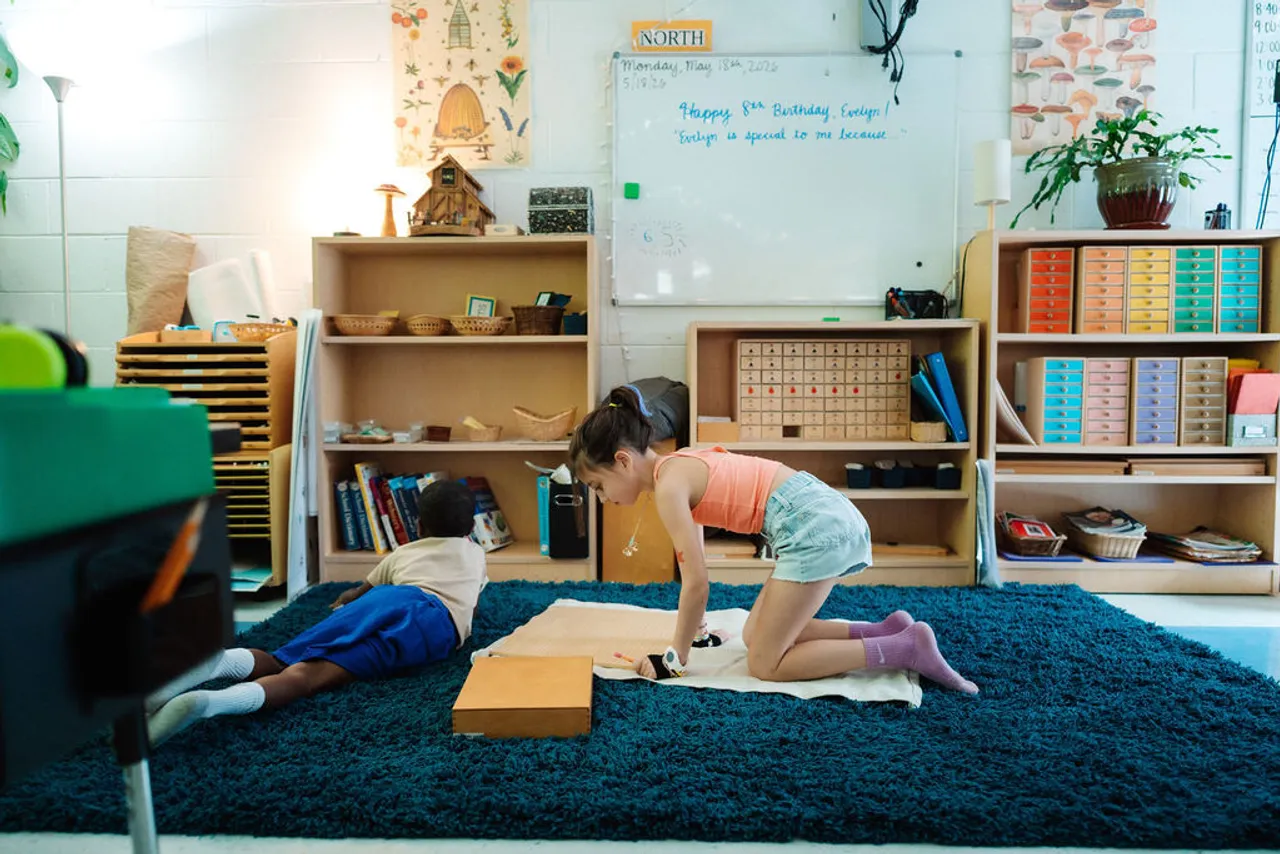
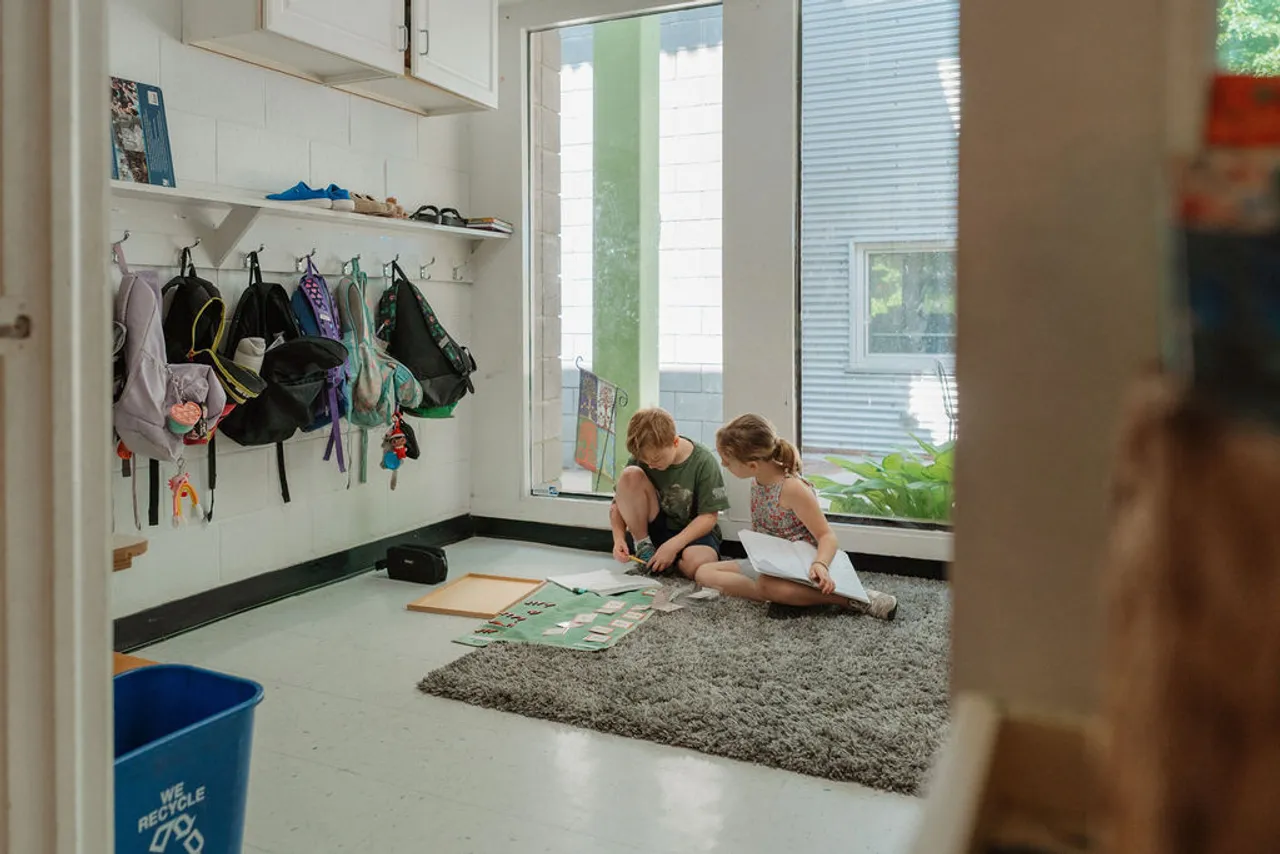
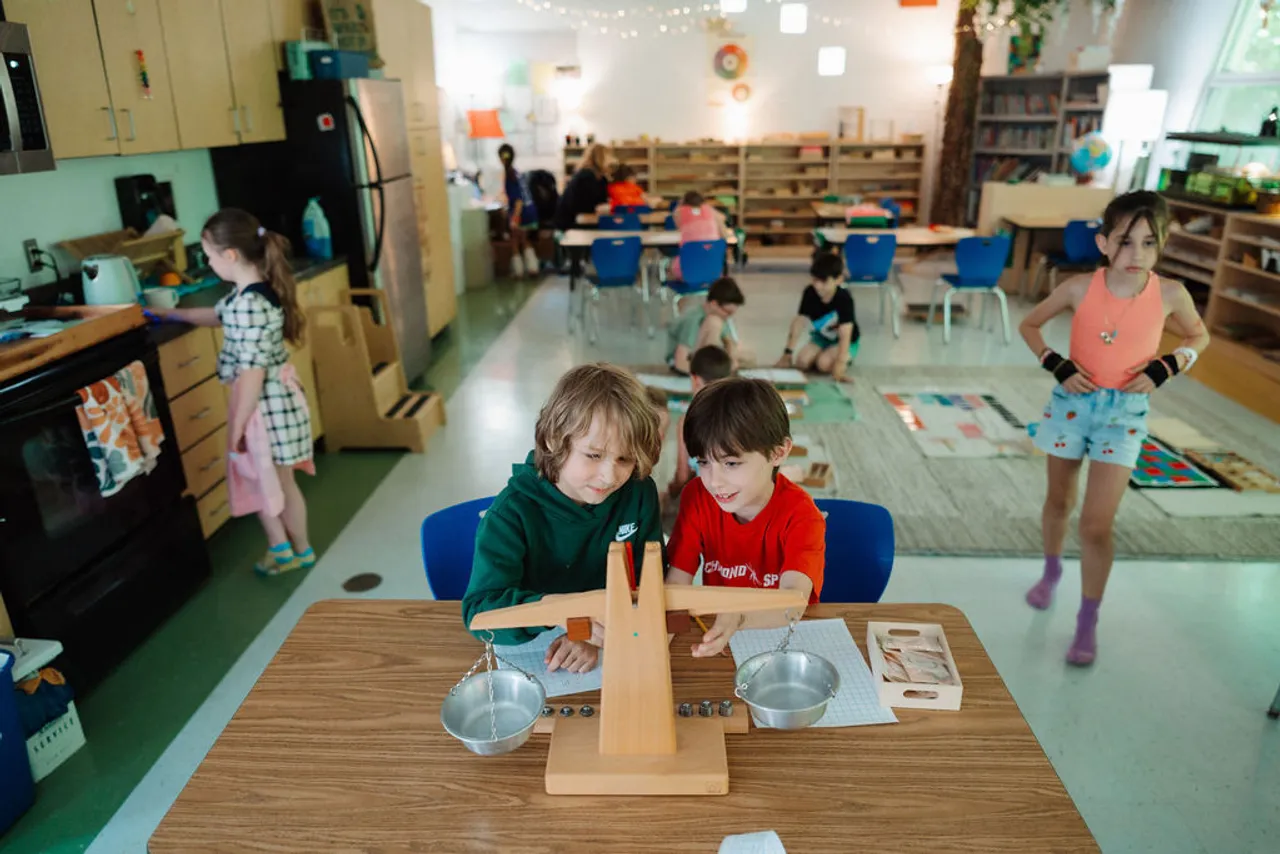
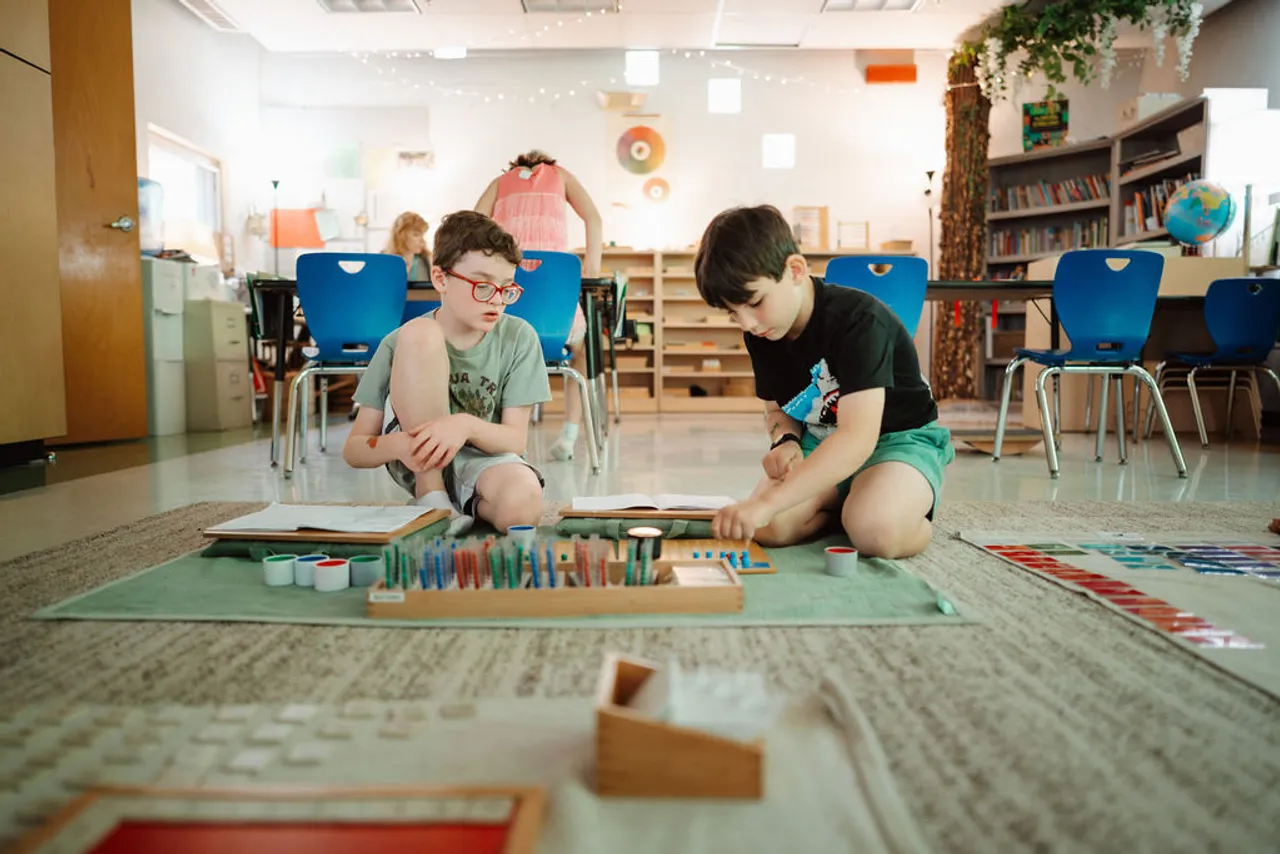
Our Lower Elementary program is intentionally rooted in an understanding of these developmental shifts. Within carefully prepared classrooms, specially trained Montessori teachers connect learning experiences to children's natural interests and readiness, inspiring them to explore big ideas across subjects while developing critical thinking, creativity, and collaboration. Through purposeful choice, hands-on materials, and meaningful work, students build confidence, responsibility, and resilience as they become increasingly independent learners.
How Development Shapes the Classroom
Our Frequently Asked Questions
What are the benefits of a Montessori education through the elementary years?
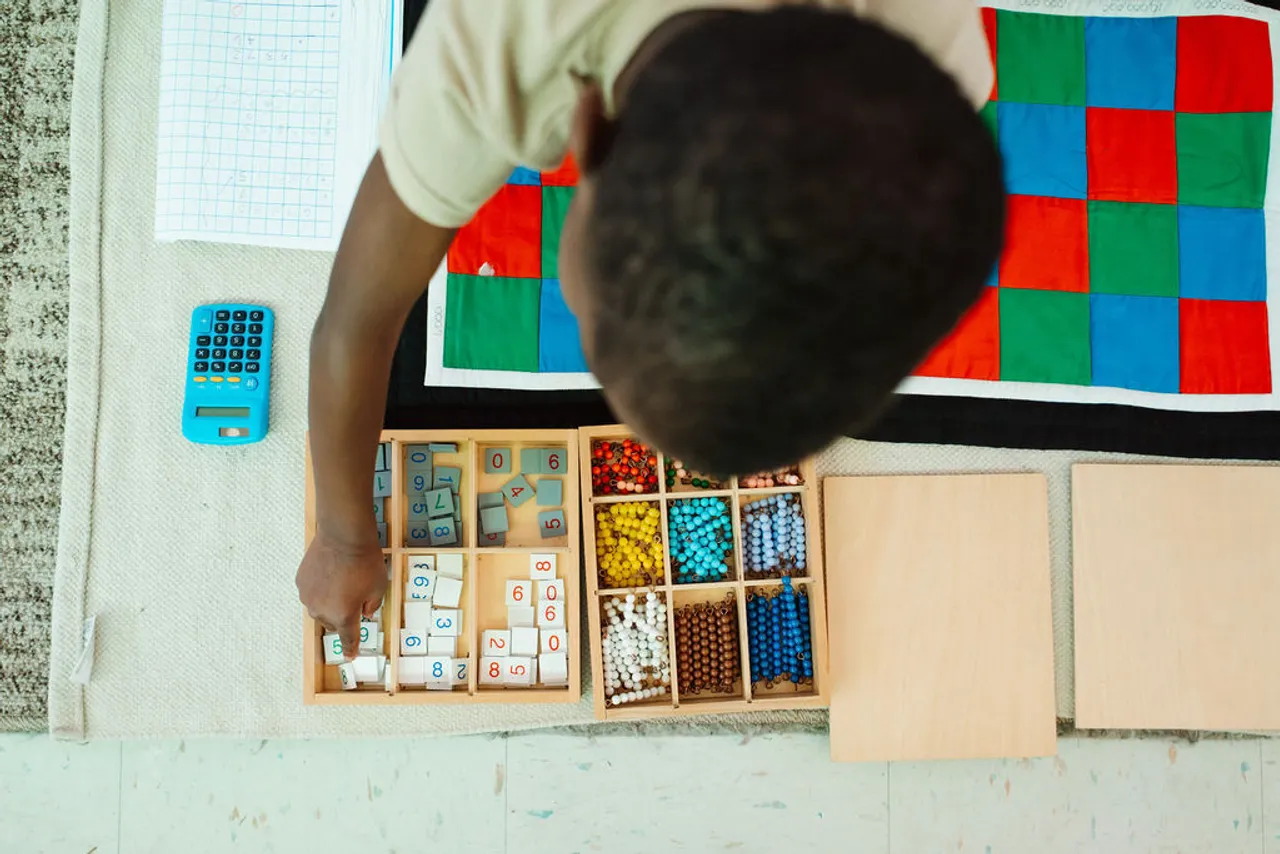
Children at this age need to learn how to plan and collaborate, and this is a focus in the Montessori classroom. Elementary students benefit from continuing to use the Montessori materials which connect to and build on the materials that they have used in Primary. The Montessori curriculum is intentionally designed and science-backed. We teach them in a way that is consistent with their developmental needs at this plane of development. Montessori focuses on the whole child with a strong focus on social-emotional growth alongside academic growth. A Montessori education helps children develop critical thinking and problem-solving skills.
Are children free to do whatever they want in the classroom?
No. Children in the elementary Montessori classroom have choices, but these choices are guided. The teacher works with the child to compile a list of works that are appropriate for their level. While children have the freedom to choose when and how to work on certain subjects, they are expected to engage with language, math, and cultural works every day. This approach aims to preserve and inspire intrinsic motivation and teach time management skills.
Is there a curriculum that is being followed?
Yes, we have a rigorous academic program that covers core subjects such as math, language, history, geography, and science. The Montessori approach integrates these subjects, presenting them in a way that weaves separate strands together. Our Learner Outcomes are used to outline specific academic and social/emotional skills to be mastered by the end of each three-year cycle.
Is there homework in lower elementary?
Montessori’s education emphasizes meaningful, self-directed learning during school hours to minimize the need for homework. We only assign a modest amount of homework typically focused on our spelling program to reinforce classroom learning.
How does learning at an individual pace support academic growth?
Children work at their own pace in lower elementary, but teachers closely observe and assess their progress. The goal is to provide materials and activities that advance their learning by building on skills and knowledge already gained. This ensures that each child is challenged appropriately and that skills and competencies are fully developed. This gentle guidance helps each child master the challenge at hand and protects them from moving on before they are ready, which is often what causes children to “fall behind.”
How do Montessori teachers assess student learning without grading?
A significant goal of the Montessori method is to instill intrinsic motivation in each child. External rewards, such as letter or number grades, have little lasting positive effect on a child’s efforts or achievements. By fostering self-motivation in the child, they have a driving desire to learn and develop a lifelong love of learning. Continuous observation and assessment are used to monitor student progress, with feedback shared with parents during conferences and on an as needed basis.

Quicklinks