
Primary
Learning to Choose, Explore, and Grow
Where Curiosity Becomes Confidence
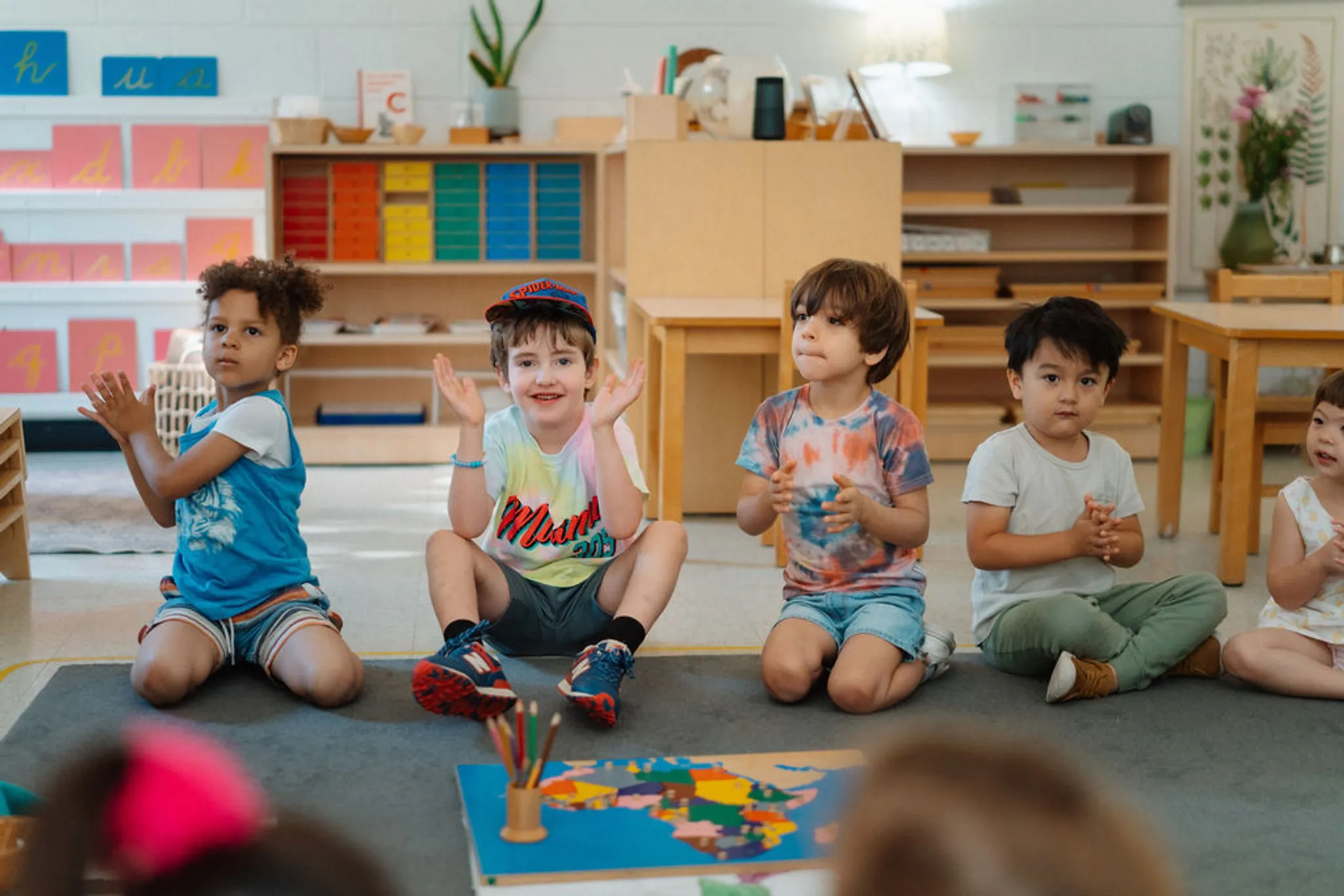
The Montessori Primary classroom is thoughtfully designed to nurture children ages 3 to 6 during one of the most important stages of development. Guided by expert Montessori teachers, your child receives individualized lessons based on their unique interests, abilities, and readiness. Within a carefully prepared environment, children are encouraged to make meaningful choices, work at their own pace, and develop the independence, confidence, and responsibility that lay the foundation for lifelong learning.
Building Strong Foundations for Academic Success
Teachers with Specialized Montessori Training
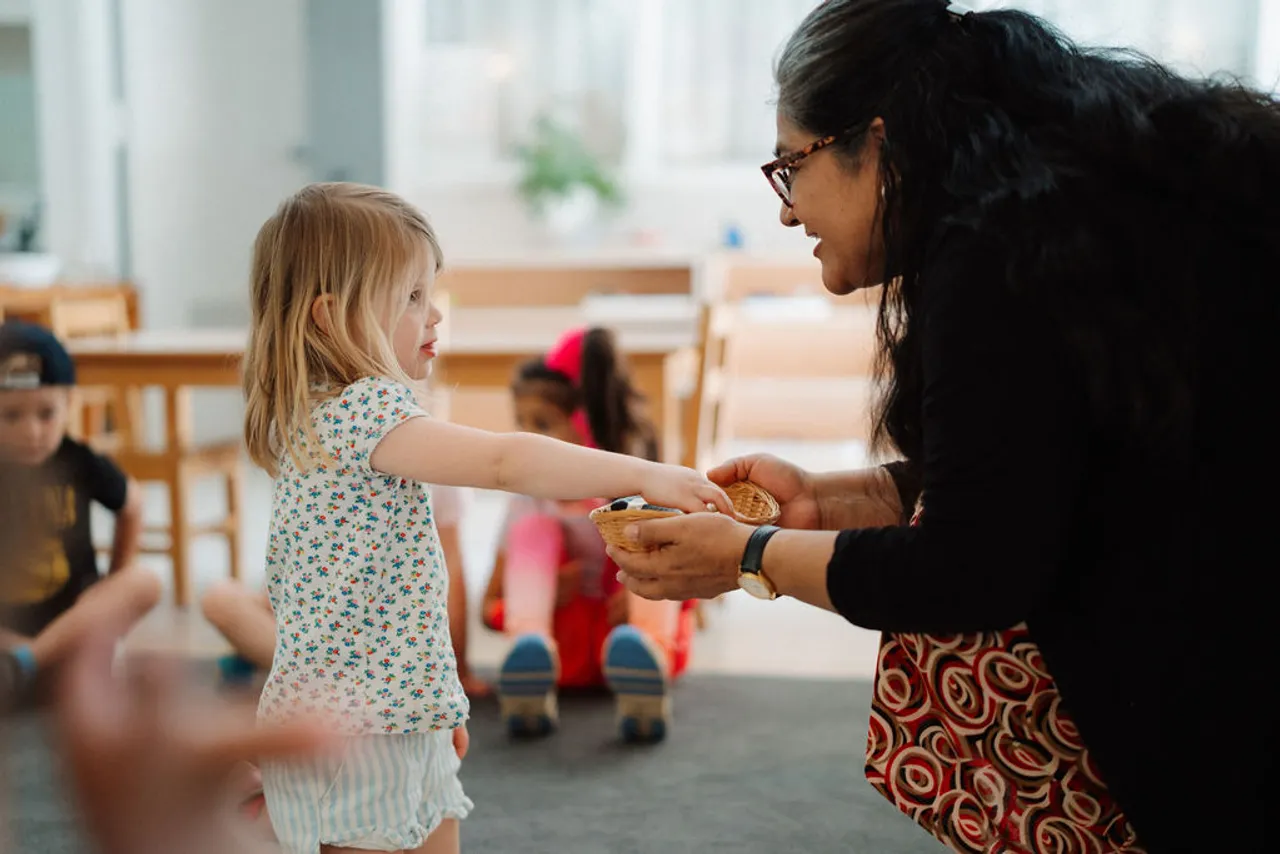
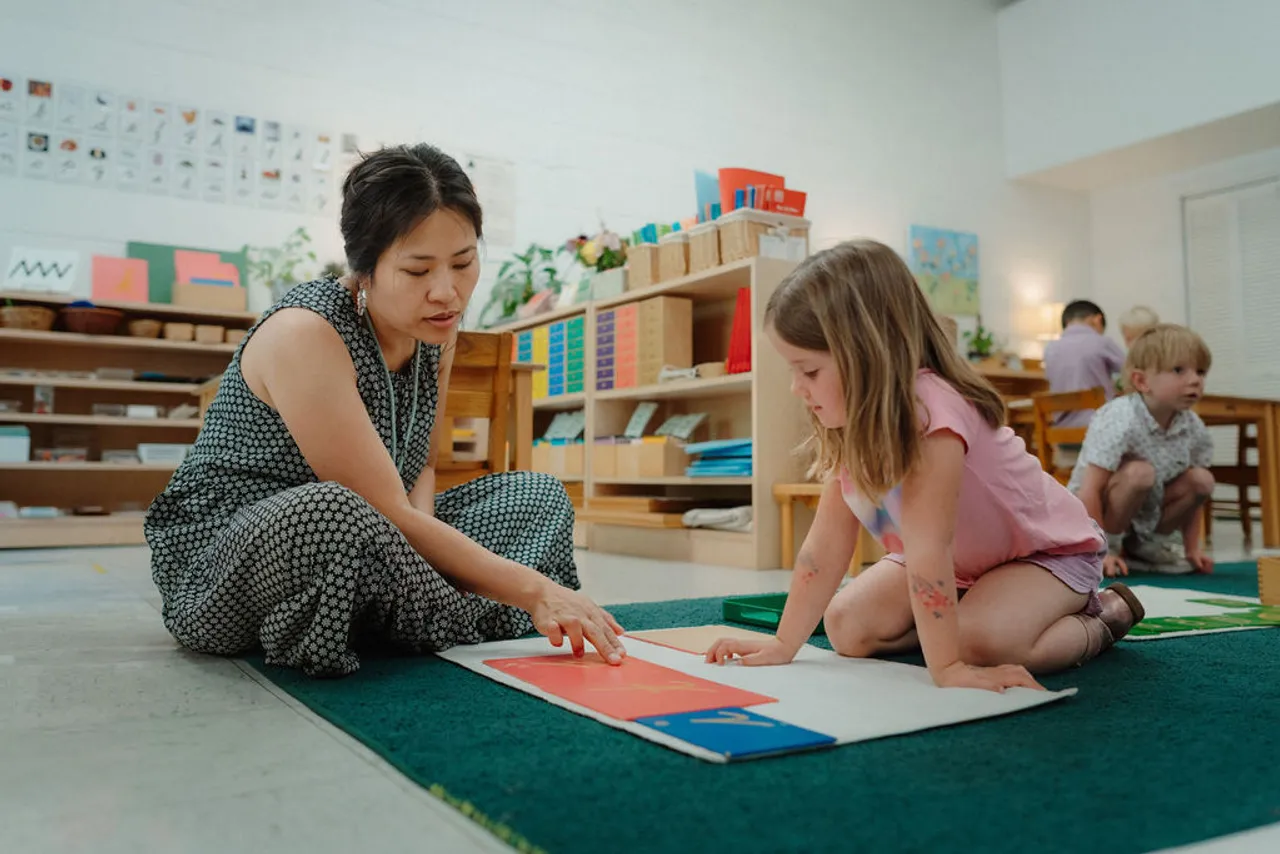
Our teachers are specifically trained in the developmental needs of the children they teach. Every lead teacher has completed rigorous Montessori certification through either the American Montessori Society (AMS) or the Association Montessori Internationale (AMI). This specialized preparation provides them with a deep understanding of your child's development and the expertise to guide each child through this important stage of growth.
Individualized Learning
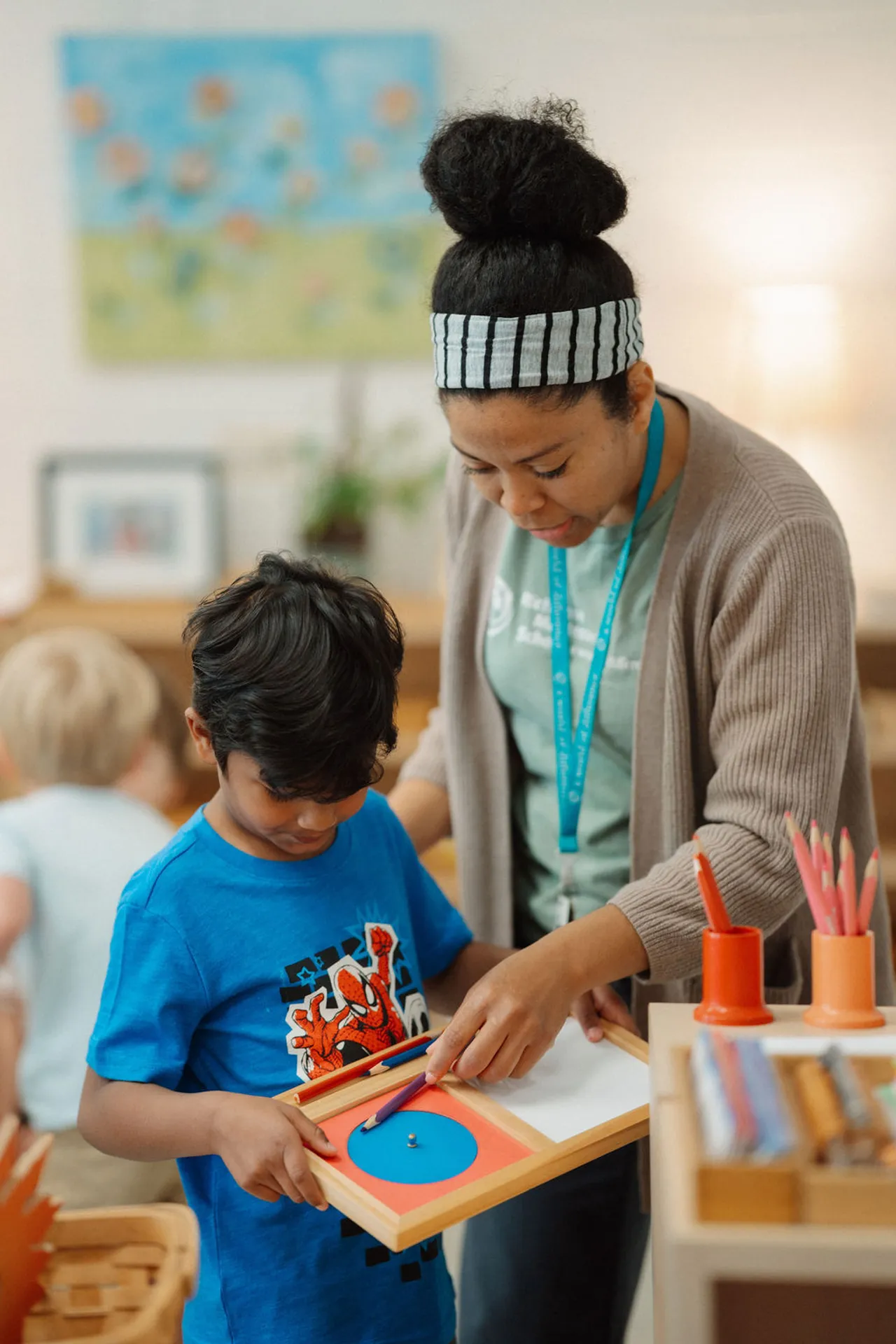
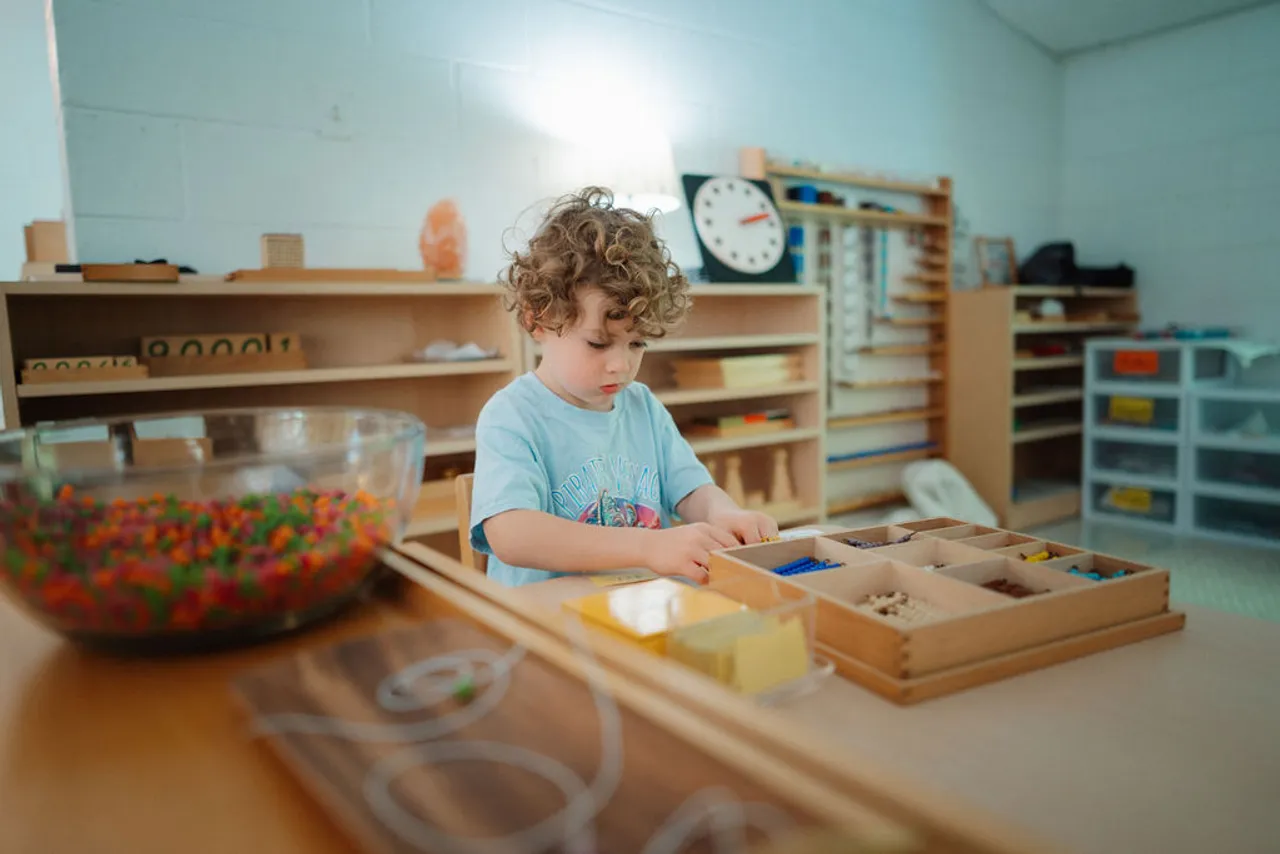
Every child develops at their own pace. In a Montessori classroom, lessons are thoughtfully presented based on each student's readiness, interests, and developmental needs rather than a one-size-fits-all curriculum. This individualized approach helps prevent boredom from a lack of challenge and frustration from being pushed too quickly. Your child is supported, encouraged, and inspired to reach their full potential.
Multi-Age Learning Communities
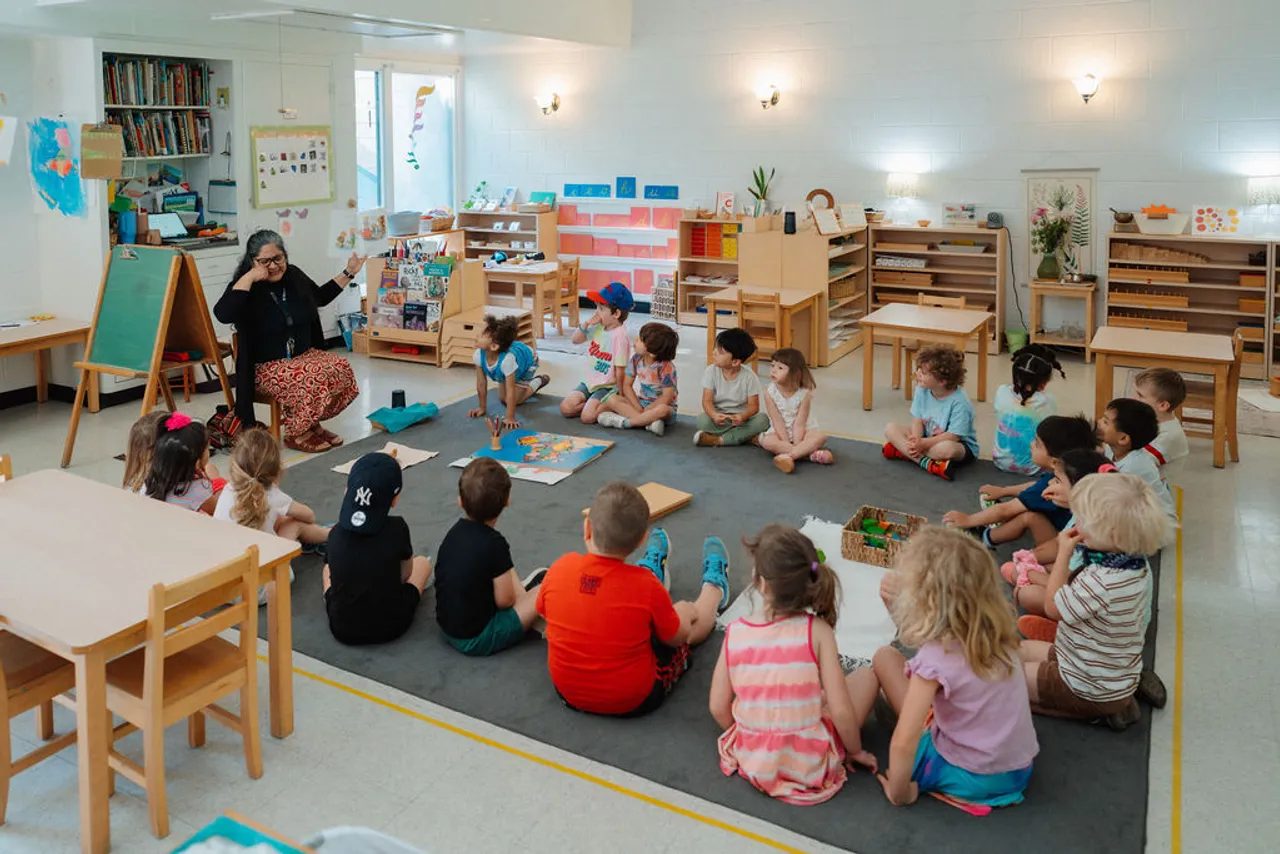
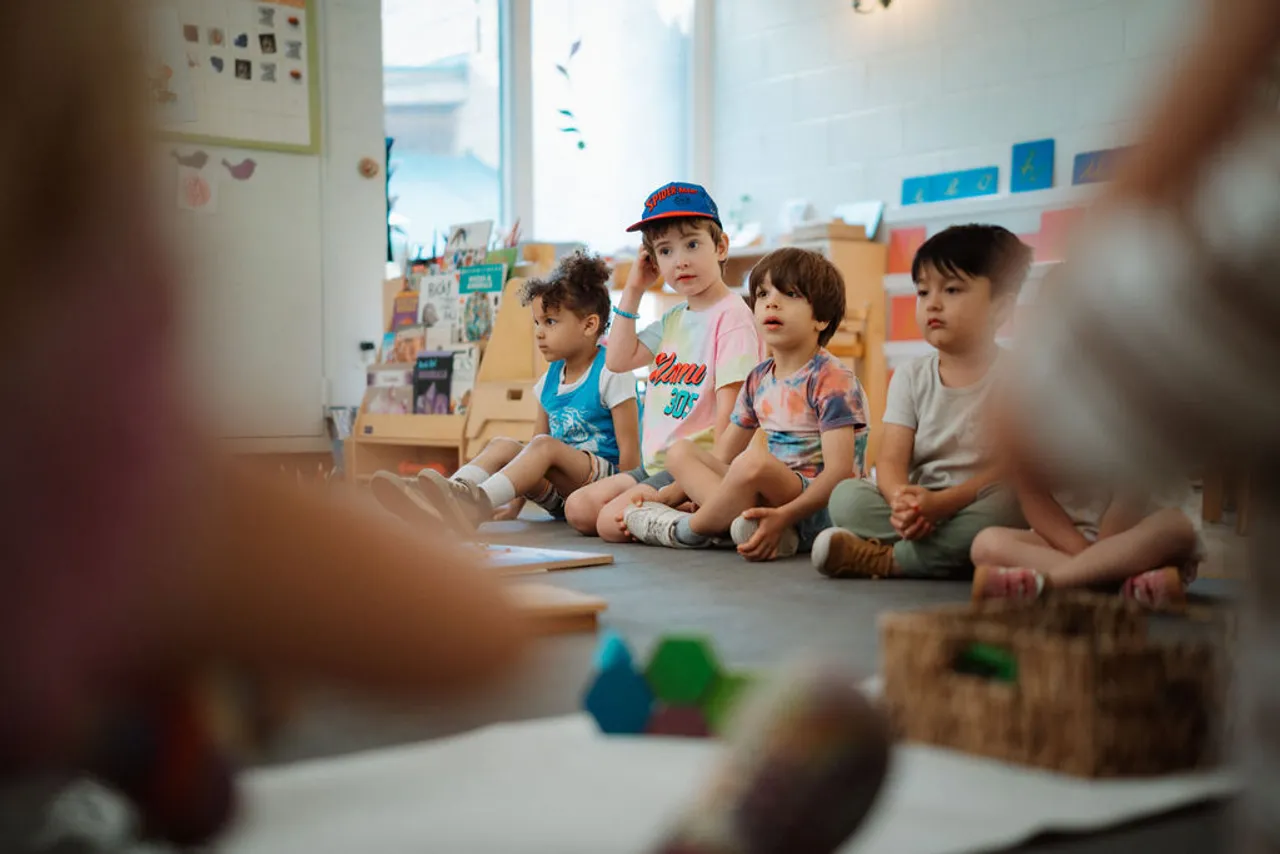
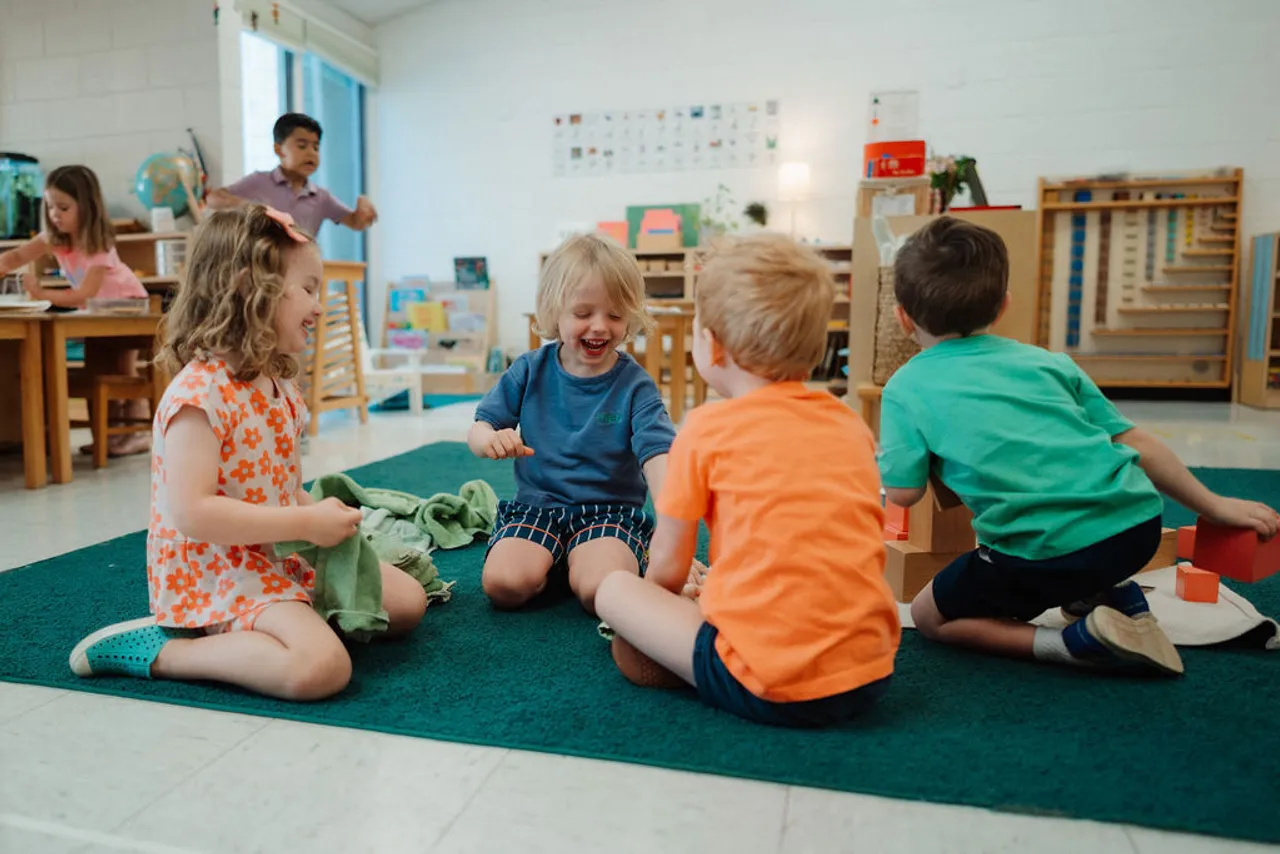
Montessori classrooms are intentionally designed as multi-age communities where children learn with and from one another. Younger students are inspired by the work of their older classmates, while older students strengthen their understanding, confidence, and leadership skills by mentoring younger children. This collaborative environment fosters respect, empathy, and a genuine sense of community.
Hands-On Learning with Purposeful Materials
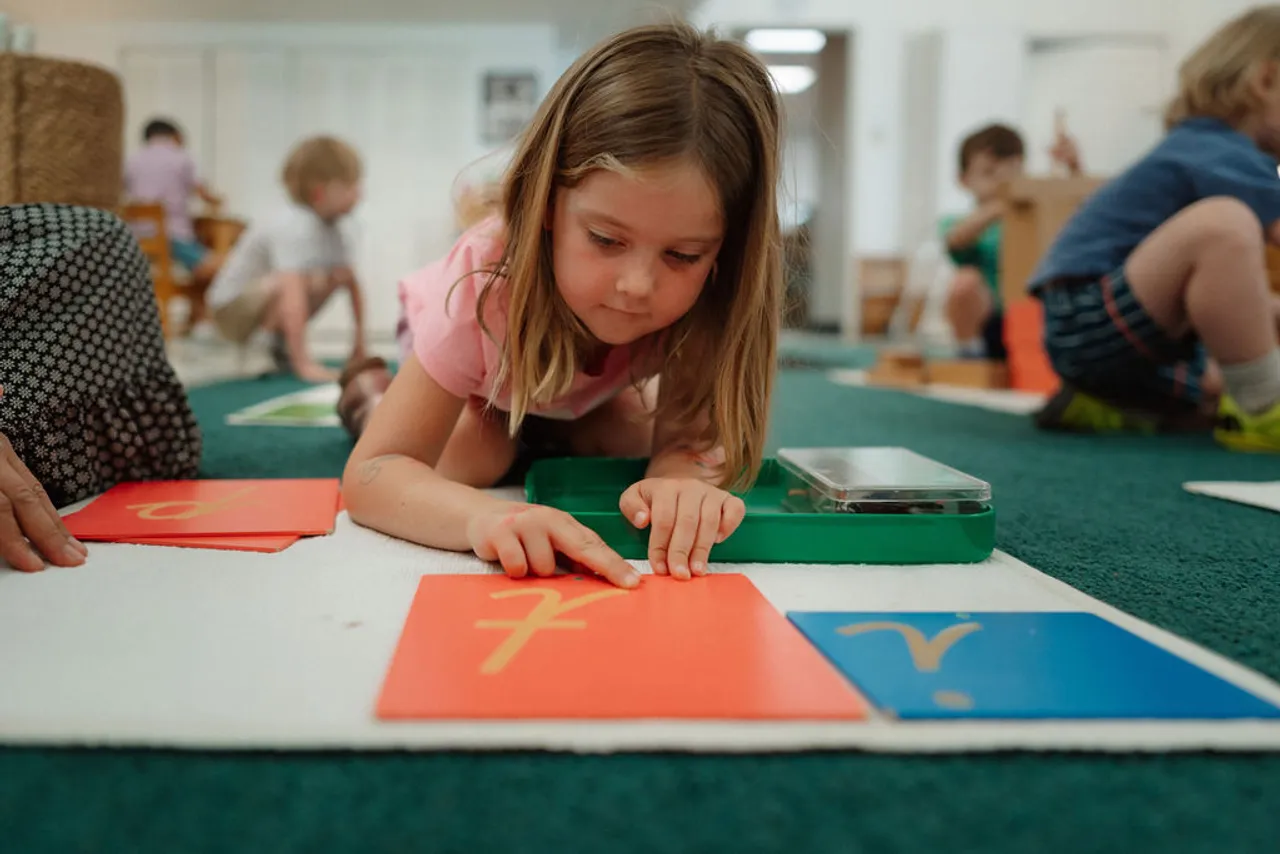
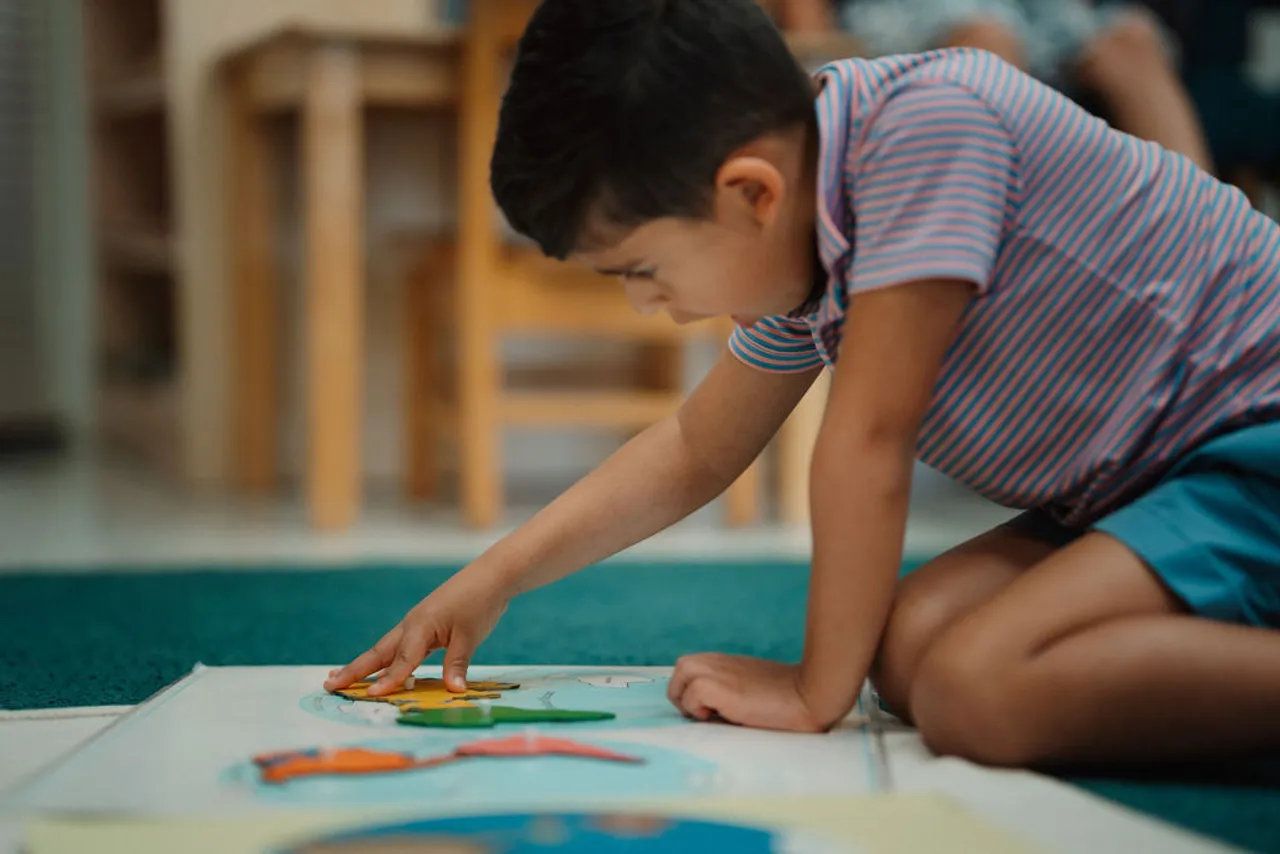
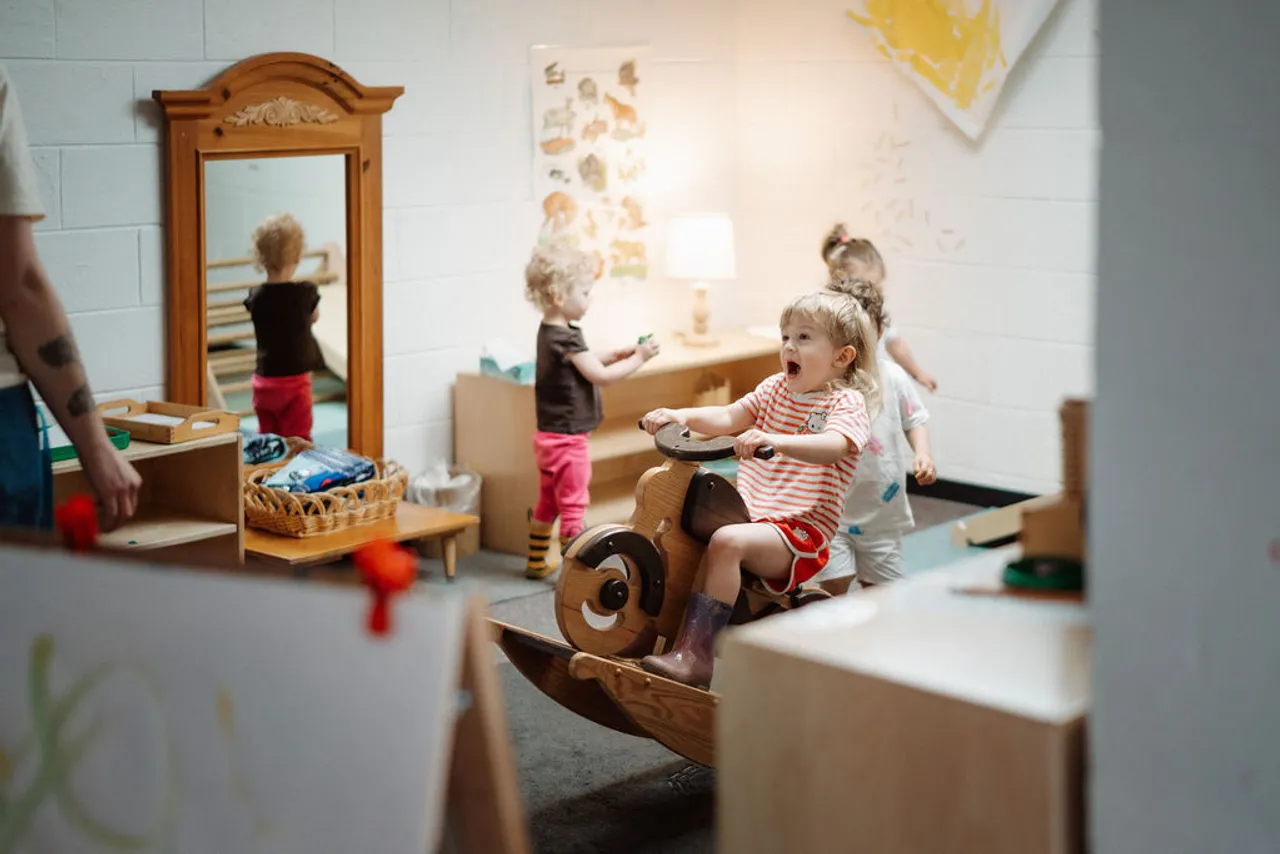
Montessori classrooms feature beautifully crafted, hands-on learning materials designed to engage the senses and encourage active exploration. Made primarily from natural materials, each learning tool isolates a specific concept, allowing children to build understanding through experience. The classroom is thoughtfully organized so that materials are inviting, accessible, and displayed in an orderly environment that supports concentration and independence.
A Love of Learning That Comes from Within
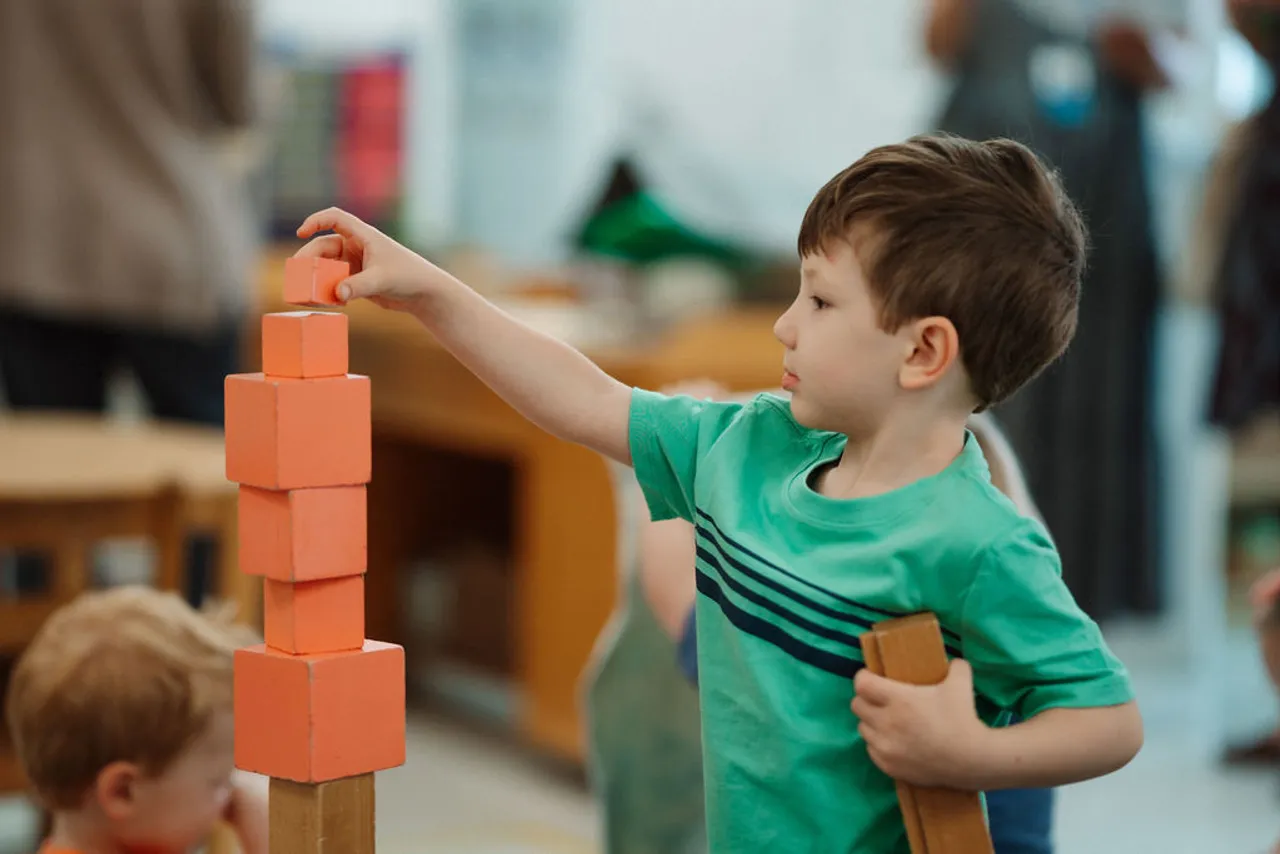
Montessori education is built on the belief that children are naturally curious and intrinsically motivated to learn. Rather than relying on external rewards or competition, we nurture each child's natural desire to explore, discover, and master new skills. Children are given uninterrupted work periods, allowing them to fully engage in meaningful work, develop concentration, and experience the satisfaction of completing a task from beginning to end.
Our Frequently Asked Questions
If each child is learning at their own pace, are there benchmarks or goals for the curriculum?
Montessori honors each child's unique learning journey by meeting them where they are developmentally and providing individualized support to help them grow. At the same time, we have clearly defined learning goals that guide each area of development and academic growth.
How is discipline handled in the Montessori classroom?
Our teachers use the principles of Positive Discipline, an approach that is both kind and firm. We teach children the social and emotional skills they need to solve problems, express their feelings respectfully, and contribute positively to the classroom community. Mistakes are viewed as opportunities to learn, and behavior is the child’s way of communicating needs.
Teachers model respectful behavior and help children learn from everyday experiences. When conflicts arise, children are supported in understanding the impact of their actions, making amends when appropriate, and finding solutions that respect both themselves and others.
The Montessori environment itself also supports positive behavior. Clear expectations, purposeful work, freedom within limits, and opportunities for independence help children develop concentration, self-confidence, and self-discipline. Grace and Courtesy lessons are part of daily classroom life, giving children opportunities to practice kindness, respect, cooperation, and effective communication.
Our goal is not simply to manage behavior, but to nurture capable, compassionate, and respectful individuals who develop the inner discipline to make thoughtful choices both inside and outside the classroom.
Do the children play outside each day?
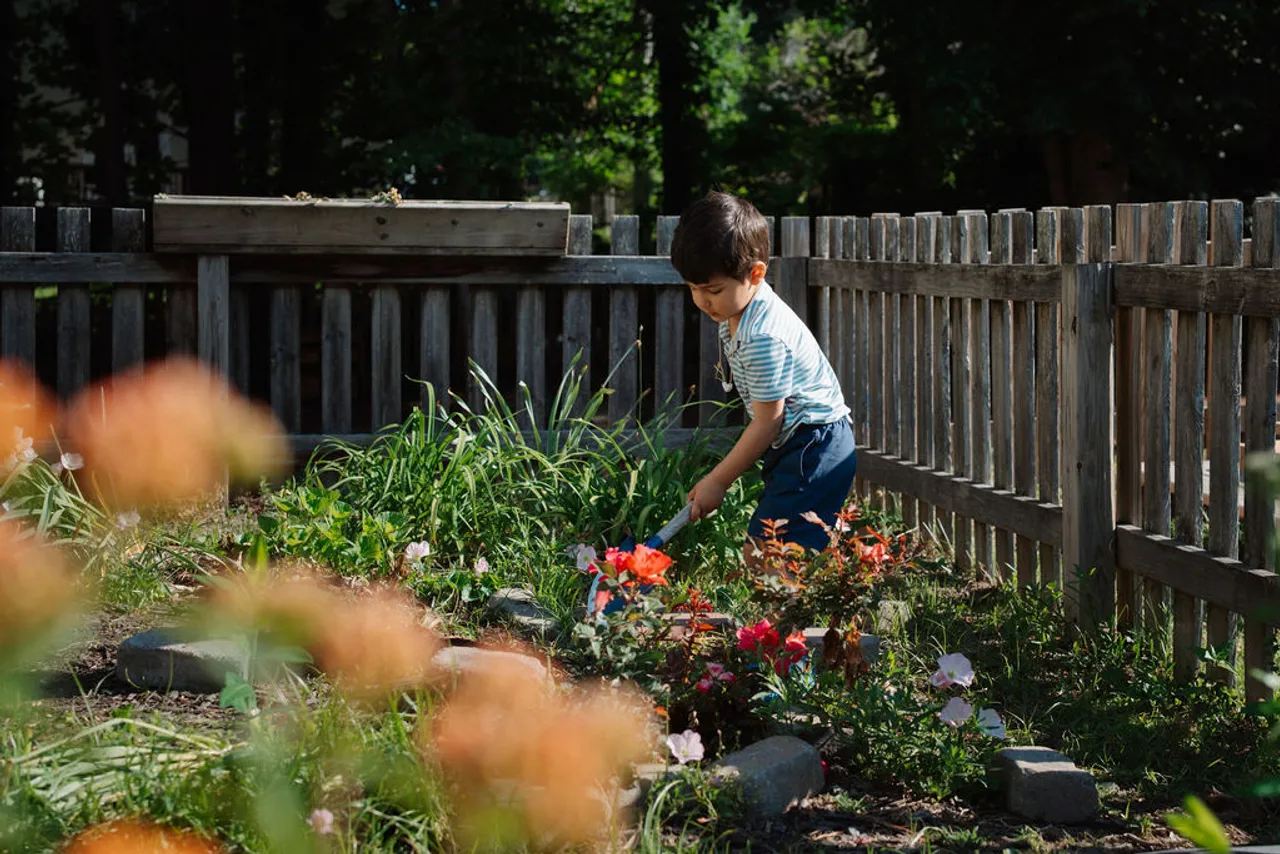
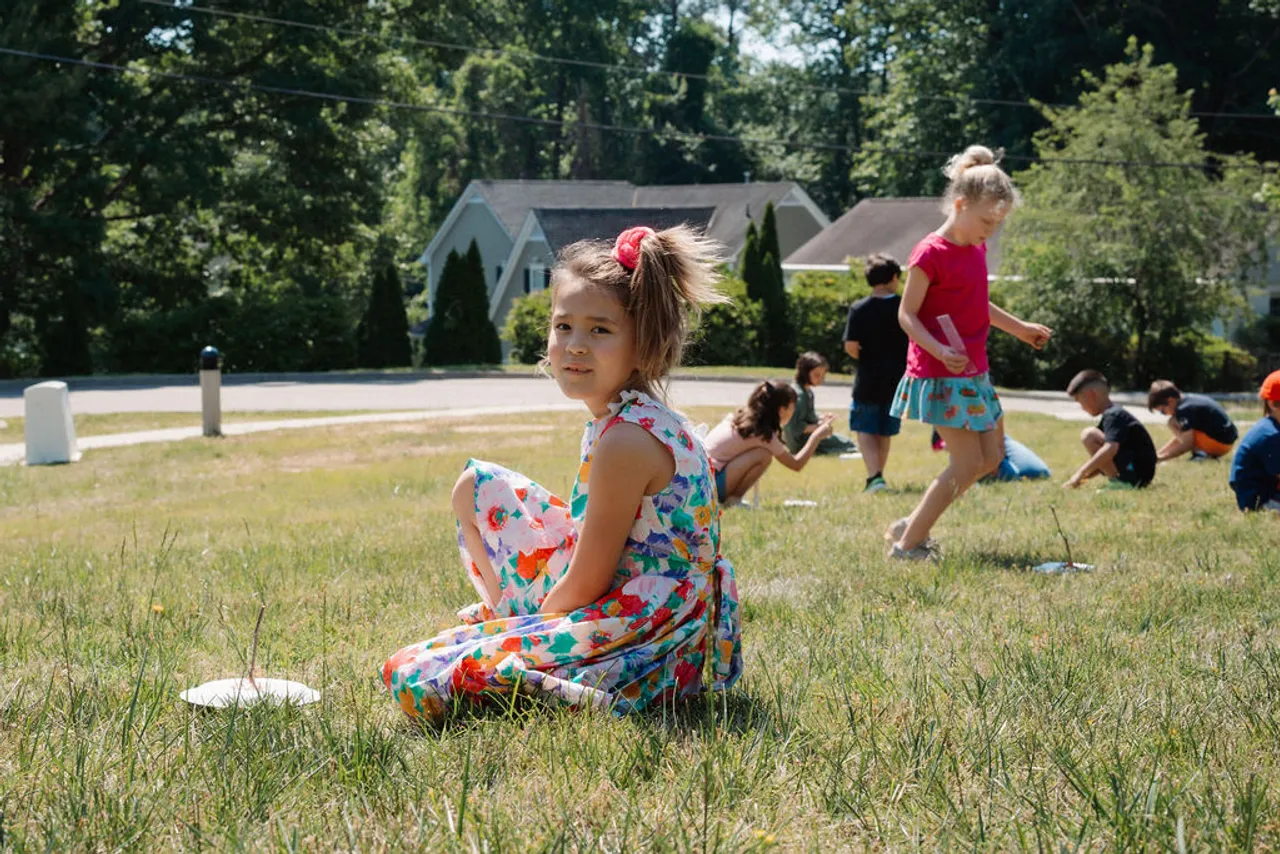
Outdoor play is an important part of each day in our Montessori program. Weather permitting, children enjoy multiple opportunities to explore and play outside, depending on the length of their school day. Our safe, well-equipped outdoor environments encourage movement, imaginative play, and exploration of the natural world, supporting children's physical development, curiosity, and appreciation for nature.
Do you provide care after the academic portion of the day?
We offer extended-day options for families who need care beyond our half-day Primary program for 3 and 4-year-olds and our full academic day for 5 to 6-year-olds.
3:00 p.m. Pick-Up
After the Primary morning program, children may stay for lunch, rest time, and a short period of outdoor play before dismissal.
6:00 p.m. Pick-Up
Children may extend their day with lunch, rest time, and an afternoon of enriching activities, including outdoor play and opportunities for continued learning and exploration.
Kindergarten Montessori Enrichment (3:00 p.m.–6:00 p.m.)
Kindergarten students participate in a full academic day in the classroom until 3:00 p.m. For families needing a longer school day, we offer enrichment activities from 3:00 p.m. to 6:00 p.m., providing children with additional opportunities for creativity, exploration, and connection.
Does my child stay in the same primary classroom for three years?
Yes. One of the unique strengths of a Montessori Primary program is the three-year cycle. Children typically remain with the same teacher and classmates from ages 3 to 6, allowing them to learn and grow within a familiar, nurturing community.
This continuity provides children with a strong sense of security and belonging and allows teachers to develop a deep understanding of each child's unique strengths, interests, and learning style. Because teachers know their students so well, they can thoughtfully individualize lessons and support each child's academic, social, and emotional development over time. The result is a stable, supportive learning environment where children develop confidence, independence, meaningful relationships, and a lifelong love of learning.

Quicklinks